SOLARI CORPSOLARI DI UDINE SPASOLARI LINEADESIGN
New life to the Saarinen’s iconic TWA Terminal, at JFK Airport
Built in 1962, the shapely building was designed by Eero Saarinen to usher in the Jet Age. Designated a New York City landmark in 1994 and placed on the National Register of Historic Places in 2005, it has been unused for the last 14 years because it couldn’t fit modern aircraft.

However, is going to be given a new life to the terminal —as an hotel. Due to its historic status, the building will be completely restored as it was back in 1962.

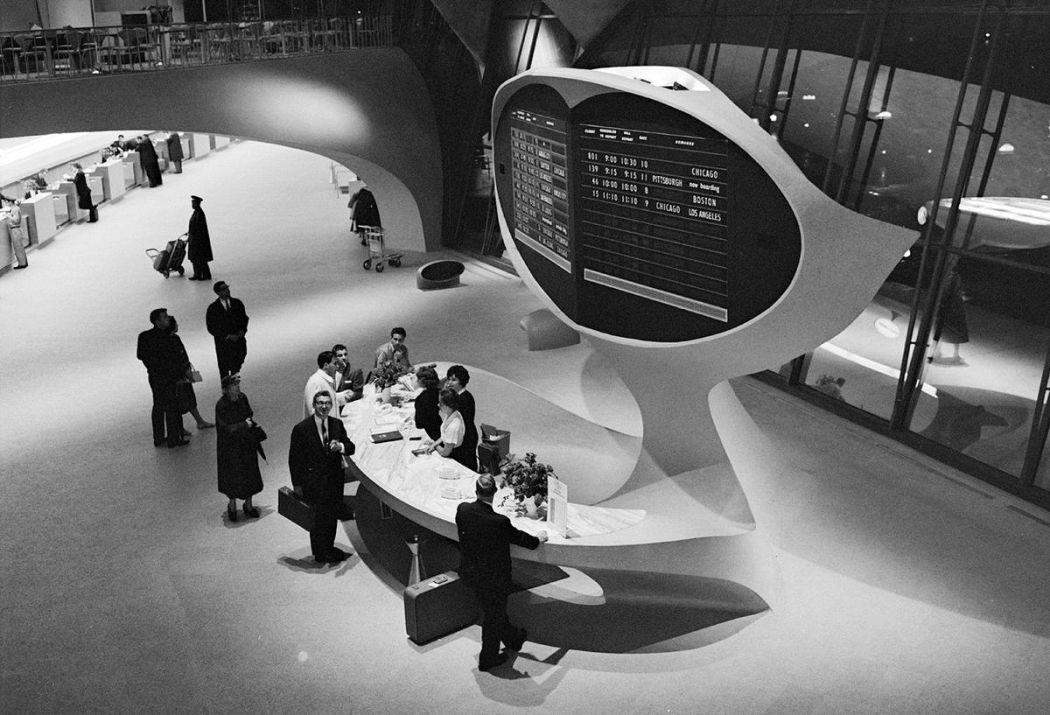
One of the main features of the terminal is the split-flap display Solari designed by architect Gino Valle and enclosed into the unmistakable oval shell designed by Eero Saarinen, completely covered with white tiles made by the famous Italian mosaic school of Spilimbergo.
Today, the developers are working with Solari, to produce the flap board exactly as it was 54 years ago, using the authentic split-flap technology developed by Remigio Solari in the 50s.
For further information in regards to the under-construction hotel, below few articles:
USA Today, Galerie Magazine, AirSpace Magazine, The Atlantic, Untapped Cities, Archinect, The New York Times, etc.
 21 APRIL 2017


SOLARI CORPSOLARI DI UDINE SPASOLARI LINEADESIGN
Philadelphia: save the Solari boards

Save the Solari boards. The US are defending the made-in-italy history. The citizens of Philadelphia are saying NO to the dismantling of the old split-flap display that stands into the 30th Street Station: the old analogic display have to make way to his newly digital version.
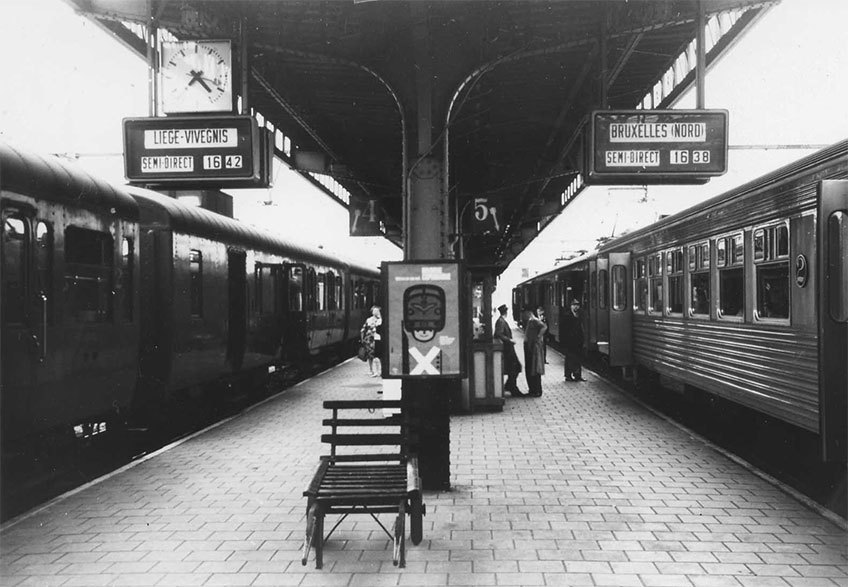
The departure boards, worldwide symbols of stations, were developed and produced by Solari Udine: Company specialized in Public Information systems. Solari patented during the 60s the split-flap system; In a few years this system became the actual icon of traveling and was adopted and used in every airport and train station, thanks to his unique and unmistakable sound.
The technology changes quickly, and with it the Solari’s Innovation that like 50 years ago is projected to the future: but the Company remain faithful to his history and to the authenticity of his core. In the last years Solari has reproduced the sound and the perfect visualization of the letter that “flips” during the updating of the informations. One of the old split-flap display of Penn Station in New York is already been replaced by a digital one.
The Solari boards are becoming a national case in the US, as much that the biggest newspapers and magazines such Wired, Smithsonian, The Washington Time and CBS wrote about it. Meanwhile was been created even an online petition on change.org and the citizens are tweeting and creating Facebook groups to complain against Amtrak, the National Railroad Passenger Corporation, with an hashtag in common: #savethesign.
One of the US journalists wrote about the Solari’s Displays that “Sounds can take us back in time, into kind of memory time travel”.
“That’s exactly the great power of Solari Udine - said Massimo Paniccia, CEO of Solari - to have created a technology and a unmistakable design that, after 50 years, can still evoke emotions to people worldwide. I think that is the best recognition that a Company can receive.
Indeed, Solari re-launched in production his historical clocks, in order to enter the houses of every passenger, bringing them a little bit of that emotion.”
Still today, indeed, Cifra 3 - the flip clock designed by Gino Valle and worldwide recognized as design icon of the 900s - is part of the permanent collection of MoMA (Museum of Modern Art) in New York, and of the Design Museum of London. It is still entirely produced in a fully artisanal way, without assembly line. From December will be available in Europe, USA, Russia and Japan even onto the online store: www.store.solarilineadesign.com.
Many Magazine and Journalists wrote about the news; following, the list of Articles and the links to in-depth:
Italian Press / La Folla, Semi e Idee, Agi.it, Oggiarte, il Friuliveneziagiulia, Messaggero Veneto, Udine Today, Diario di Udine, Friuli Sera, Friuli.it etc.
Worldwide Press / Times Ledger, Inhabitat, ElleDecor, Archinect, TapInto, Atlasobscura, RunwayGirl, New York Times, Wired, Smithsonian, Metro, Philly, Philly Blog, CityLab, CBS Philly, PhillyVoice, WITF, The Washington Times, PRI etc.
SOLARI CORPSOLARI DI UDINE SPASOLARI LINEADESIGN
#savethesign
30th Street Station,
The Solari Board will soon
be replaced.
The famous Split-flap display that stands in the middle of the Philadelphia 30th Street Station, produced by Solari di Udine, will soon be replaced by a digital board.
Many Journalists and Magazines wrote about this news, like Wired, Smithsonian, Metro, Philly, Philly Blog, CityLab, CBS Philly, PhillyVoice, WITF, The Washington Times, PRI etc.
The name and popularity of Solari comes from way back in 1725, the year in which the first document records the existence of the Fratelli Solari Company as an “Old and Prized Tower Clocking Industry”. From then on the company’s history is filled with many industrial successes. Believing in the power of an idea and transforming it into success: this is what the two brothers Fermo and Remigio Solari were able to achieve. They established their name worldwide in the fifties, bringing to prominence a company with great potential and bearer of innovative inventions, such as the split-flap system, which revolutionized standard methods of displaying time and information to the public, to the fore.
When the Solari brothers dynasty came to an end, the company management was in the hands of large industrial Groups. The the company property passed on to entrepreneur Dr. Massimo Paniccia who consequently made Solari today’s model of successful economics.
The search for perfection, the desire to reach unique solutions, multi-year experience at the service of every requirement: Solari’s prestige has been founded on these values for almost three centuries. Solari installed over 3000 systems worldwide, by which they move over 5.5 billion people every year.
When the CEO, Massimo Paniccia, had read all the articles and comments about the replacing of the flap board, was pleasantly surprised. “The best wish to the future of Our Company is that, in 40 or 50 years from now, someone in the world will be sad if one of the recently installed public information systems will be dismantled. This is our main focus and the reason of our choices; the search of perfection, both for the client and for the user. I recognize also the meaning and fascination of the displays and flip clocks, design icons throughout the world like the Cifra 3 (Ndr. part of the permanent collection of the London Science Museum, of the MoMA (Museum of Modern Art) in New York and, after November, of the Design Museum of London). Indeed, Solari re-launched in production his historical clocks, in order to enter the houses of every passenger.”
We collected, from Twitter, some comments expressed by the passengers:
come on @amtrak, don't replace the solari board at 30th Street in Philly. it's part of the city and its sound says "welcome home". @6abc
— Kabir Akhtar, ACE (@kabirakhtar) 27 agosto 2016
When function meets form, sometimes nostalgia loses. Are you sad to see Philly's clickety train station delay go? https://t.co/lUsk2aYAHx
— Korn Design (@korndesign) 19 settembre 2016
Can't believe they're getting rid of the sign at @Amtrak 30th Street Station #savethesign everything doesn't have to change 🚂🚂🚂🚂🚂🚉🚉🚉🚉🚉🚉🚉🚉🚉🚉🚉
— Poog (@lbgrant24) 26 agosto 2016
So sad 😢 "Say Bye to Those Awesomely Clackety #Train Station #Displays" | WIRED https://t.co/9GTZeW4xre
— Chaim Haas (@chaimhaas) 28 agosto 2016
Hey followers plz tweet @Amtrak that sight & sound of the Philly 30th St Station flip depart. sign must not be replaced ! #savethesign
— (((Hann23))) (@hann23) 25 agosto 2016
Plans to make new digital screens look and sound like the old: Say Bye to Those Clackety Train Station Displays https://t.co/3cIKG1QgRS
— Jason Cremins (@JasonCremins) 28 agosto 2016
But the Solari board enhances MY travel experience far more than digital! #Philadelphia #Amtrak
— Tony (@tony_pu) 25 agosto 2016
@Amtrak please don't replace the 30th street Philly Solari board. It has history and character
— uustat (@uustat) 31 agosto 2016
Amtrak: Do not replace the 30th Street Station Flipboard - Sign the Petition! https://t.co/LCcUFAGAmj via @Change
— Lizzie B. (@tiniestmonkey) 26 agosto 2016
People also started to share this amazing video, showing the details of the board and a slow-motion of the “clickety-clack” flaps.
You don't want that the Solari board will be replaced? A user created this petition that you can sign / via change.org!
Share your opinion, leave a Comment or write us!
SOLARI CORPSOLARI DI UDINE SPASOLARI LINEADESIGN
TWA Terminal, JFK Airport
From an architecture icon
to a boutique hotel
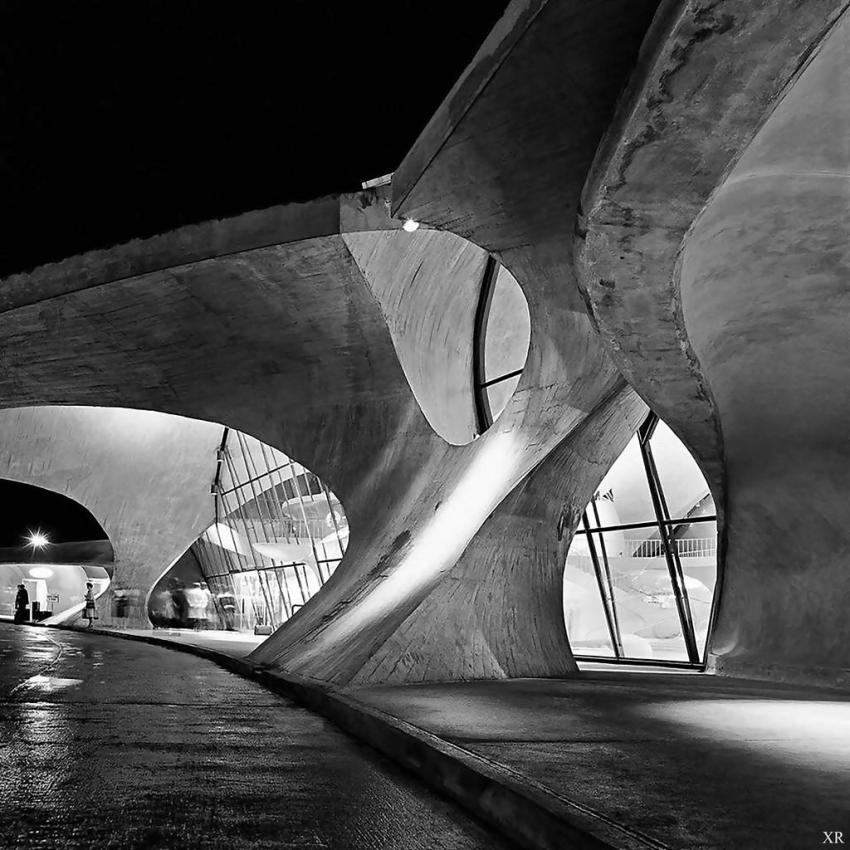
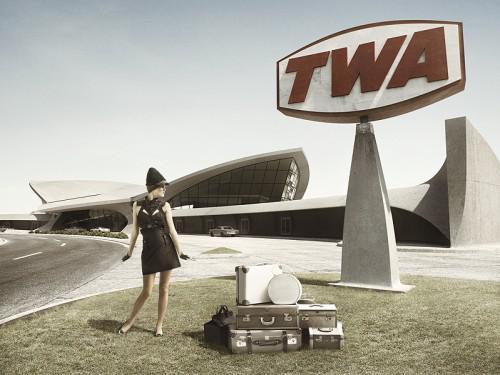
If you have landed at JFK Airport in New York City, you’ve probably seen the Trans World Airlines (TWA) Terminal. Built in 1962, the shapely building was designed by Eero Saarinen to usher in the Jet Age. Designated a New York City landmark in 1994 and placed on the National Register of Historic Places in 2005, it has been unused for the last 14 years because it couldn’t fit modern aircraft.
.jpg)
However, the terminal was going to be given a new life—as a boutique hotel. Due to its historic status, the building’s exterior will remain untouched, but the interior will be given a full makeover.
When renovated, the new 40,000 sqf. facility will have 505 guest rooms, a 10,000 sqf. observation deck, six restaurants, multiple bars (which the original terminal also housed), a fitness center, and conference space.

The building, with its distinctive design, has had its share of memorable pop culture moments. It was featured in Leonardo DiCaprio’s Catch Me If You Can. It also was where the Beatles entered the US for the first time, in 1964.
One of the main features of the terminal is the split-flap display Solari designed by architect Gino Valle and enclosed into the unmistakable oval shell designed by Eero Saarinen, completely covered with white tiles made by the famous italian mosaic school of Spilimbergo.
.png)
In the same year, in 1962, the remote alpha numeric indicator for airports and railway stations of Solari won the Golden Compass, the second after that of 1956 for the design of electro-mechanical clock digits snap, Cifra5
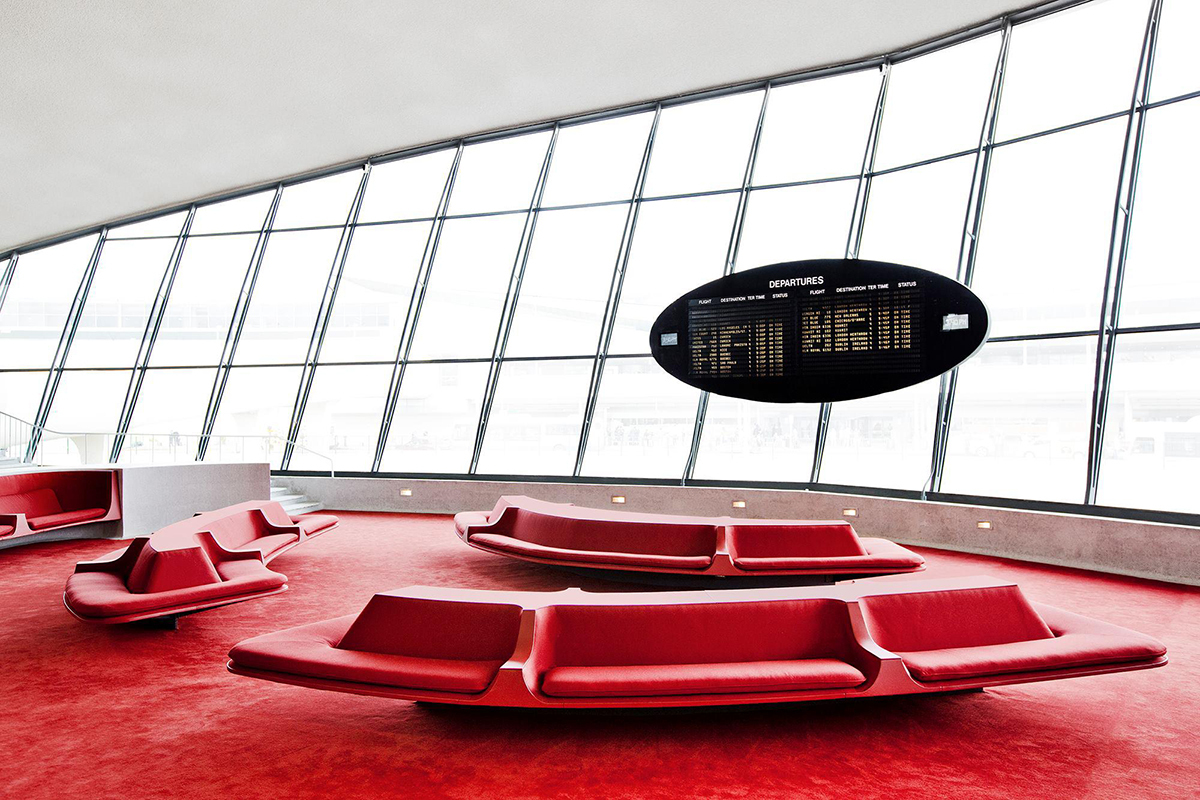
Terminal Detail
Split-flap Display Solari designed by architect Gino Valle
Waiting Lounge with Solari Split-Flap Display

1962 Advertising

2016 Advertising


SOLARI DI UDINE SPASOLARI LINEADESIGN
The History of Solari
Solari is an international brand that holds a strong authority in the business of time and industrial clock making. Created in Pesariis, Italy, in 1725, the company was initially known as the “Old and Awarded Tower Clock Company,” but it has managed to tower above that perception with its innovative range of designs.
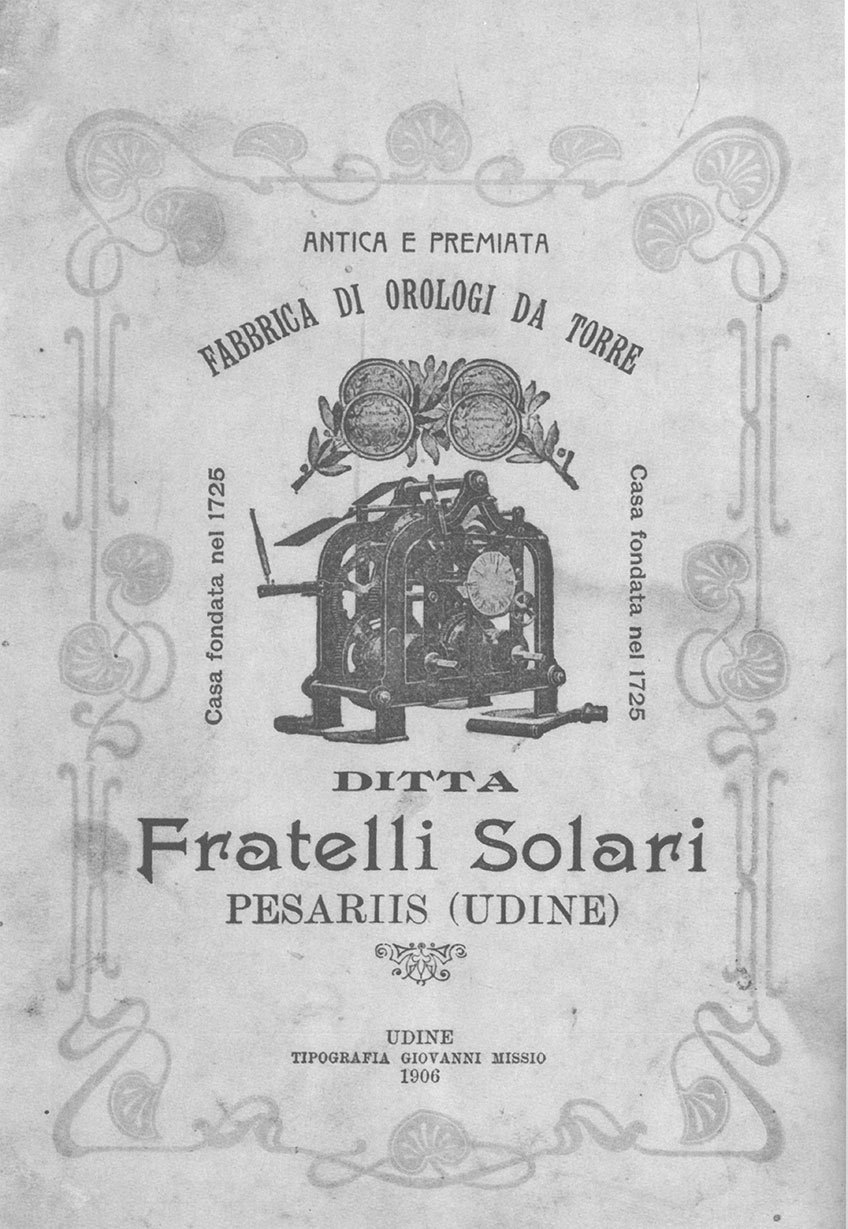
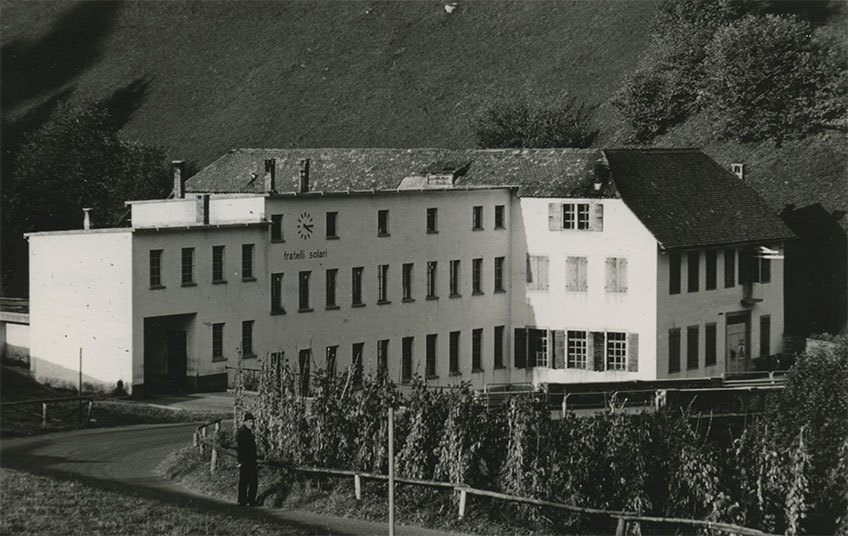
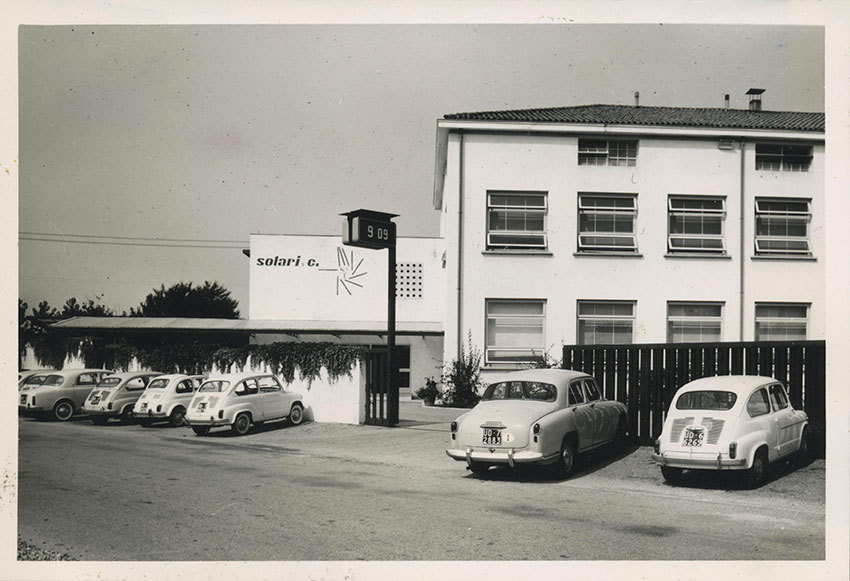
For over two hundred years, Solari continuously redefines how people view and see time, using cutting-edge products and technology that still encompass Solari’s traditional aesthetic, ethos and history, which can be seen all across the world in major transportation hubs today.

Categories Post
Archive Post


